BPC-157 Wholesale
Body Protection Compound-157 — research-grade gastric pentadecapeptide, batch-documented, manufacturer-direct
Product Identity & Specifications
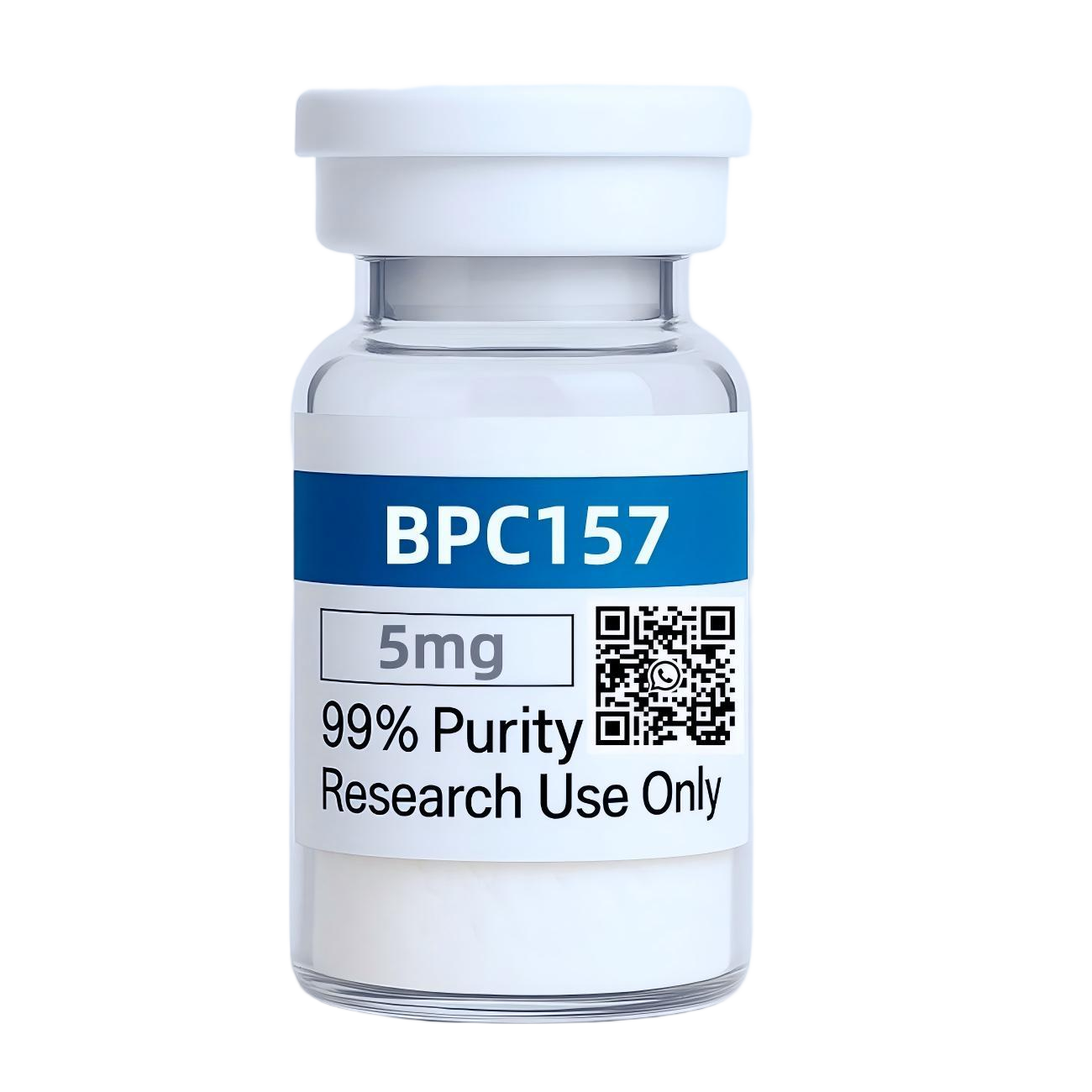
| CAS Number | 137525-51-0 |
| Sequence | H-Gly-Glu-Pro-Pro-Pro-Gly-Lys-Pro-Ala-Asp-Asp-Ala-Gly-Leu-Val-OH |
| Amino Acids | 15 (pentadecapeptide) |
| Molecular Formula | C₆₂H₉₈N₁₆O₂₂ |
| Molecular Weight | ~1419.5 Da (monoisotopic ~1418.7 Da) |
| Appearance | White to off-white lyophilized powder |
| Purity | ≥99% by HPLC |
| Solubility | Soluble in sterile water or PBS |
| Storage | 2–8°C, desiccated, protect from light |
Available Configurations
| Configuration | Content | Best For |
|---|---|---|
| Standard Kit | 5 mg × 10 vials | Protocol validation; evaluation orders |
| Bulk Kit | 10 mg × 10 vials | High-throughput research; repeat buyers |
| Custom | Custom mg × custom vials | OEM; private-label; protocol-specific |
Research Background
BPC-157 is a partial sequence of BPC (Body Protection Compound) isolated from human gastric juice. The 15-amino acid pentadecapeptide retains the gastroprotective and healing-promoting properties of the full protein, making it one of the most extensively studied healing peptides in preclinical research.
Published Research Focus Areas
Accelerated Achilles tendon repair; improved biomechanical properties
Enhanced MCL healing; improved collagen fiber organization
Faster crush-injury recovery; reduced fibrosis
Promoted callus formation in rabbit fracture models
NSAID-induced gastric lesion protection; anastomosis healing
VEGF upregulation; capillary formation promotion
Neuroprotective effects in TBI and spinal cord injury models
Proposed Mechanisms
Quality Specifications
| Parameter | Method | Criterion |
|---|---|---|
| Purity | HPLC at 214 nm, C18 column | ≥99.0% peak area |
| Identity (MW) | ESI-MS | ~1419.5 ± 1.0 Da |
| Appearance | Visual inspection | White to off-white powder |
| Peptide Content | Amino acid analysis | ≥80% net peptide |
| Residual Moisture | Karl Fischer | ≤3% |
| Solubility | Sterile water test | Clear to slightly hazy solution |
Tiered Wholesale Pricing
| Volume | Discount | For |
|---|---|---|
| 1 kit | List price | Evaluation; protocol validation |
| 2–5 kits | 10–20% off | Small groups; initial stocking |
| 6–20 kits | 25–40% off | Mid-size distributors |
| 21–50 kits | 40–55% off | Regional distributors; OEM pilot |
| 50+ kits | 55–70% off | Large distributors; recurring supply |
Frequently Asked Questions
Is BPC-157 stable in solution after reconstitution?
Relatively stable in sterile water or PBS at 4°C for 1–2 weeks, but pH-dependent. Best practice: reconstitute in sterile water/PBS (pH 7.0–7.4), aliquot single-use portions, freeze at -20°C. Avoid freeze-thaw cycles. Lyophilized powder is significantly more stable than solution.
What is the recommended solvent for reconstitution?
Sterile water for injection or phosphate-buffered saline (PBS, pH 7.4). BPC-157 is freely soluble in aqueous buffers at neutral pH. Avoid strongly acidic/basic solvents (catalyze hydrolysis). Do not use DMSO — it can interfere with bioassays.
Do you offer BPC-157 + TB-500 as a single-vial stack?
Yes — one of our most popular pre-formulated stacks. Our R&D team has validated chemical compatibility in a single lyophilized vial. Ships with combined COA covering both peptides. See Specialty Stacks or contact us for a quote.
All products are manufactured for laboratory research purposes only. BPC-157 is labeled FOR LABORATORY RESEARCH USE ONLY. Not for human or veterinary diagnostic/therapeutic/prophylactic use. Not a dietary supplement, pharmaceutical ingredient, or approved drug substance.
Ready to Source BPC-157?
Bulk pricing, tiered discounts up to 70%, COA with every order.